Case Study
RAID 5 NAS Server Data Recovery for an Educational Institution After Triple Drive Failure
Published On :
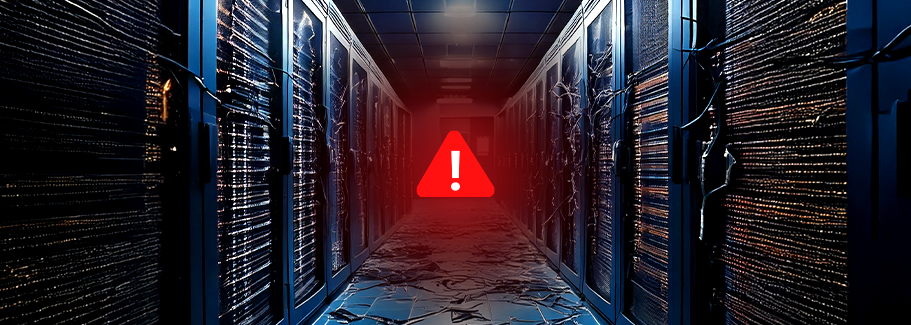
A reputed educational institution lost access to critical academic and administrative data after three of the four hard drives in its RAID 5 NAS server failed physically. The server ran multiple NTFS volumes used by every department, storing MS Office documents, automation data, PDF files, and JPEG images. RAID 5 can tolerate the failure of only one drive. The loss of three drives was sufficient to bring the entire system down, leaving it operationally inaccessible.
The institution's IT team noticed that the NAS server had become completely inaccessible, and several departmental volumes had disappeared from the network. On inspection, three of the four SATA hard drives in the array showed signs of physical failure. The in-house team attempted to rebuild the RAID array to restore access, but the attempt was unsuccessful. The client then reached out to the Stellar Data Recovery Chennai branch for expert assistance.
For an educational institution, the server stored academic records, administrative documents, automation data used for institutional workflows, and years of files accumulated by every department. The sudden inaccessibility disrupted day-to-day academic and administrative operations. With student and institutional records at risk of permanent loss, timely recovery became a critical priority.
RAID 5 can tolerate the failure of only one drive at a time. In this case, three of the four drives had physical damage, causing the array to collapse completely. The client's earlier attempt to rebuild the RAID configuration added further complexity, since it risked altering the original data and parity layout. Before recovery could begin, the team also had to determine which drives were genuinely part of the active RAID 5 set.
The case involved physical hard drive failure, so recovery had to take place in a Class 100 Cleanroom. Damaged drives cannot be stabilised in any other environment, as dust particles can affect the disk platter and prevent cloning altogether. This step is essential before a physically damaged drive can be prepared for cloning.
As soon as the RAID 5 NAS server arrived at Stellar, data recovery experts ran a routine media inspection to assess the extent of the failure. The media analysis confirmed physical failure in three drives, with the remaining drive suffering a logical failure. The report also showed that the physical failure had triggered the server crash, which eventually made the data inaccessible.
The experts stabilised the hard drives by performing a head transplant on the three physically failed drives inside the Class 100 cleanroom. Following the head transplant, the team created sector-level images of all four hard drives.
The team connected the four cloned drives to Stellar's system and scanned them using specialised tools to determine the logical RAID parameters required for RAID data recovery, including stripe size, data flow pattern, and parity flow. The engineering and innovation team virtually reconstructed the array using proprietary RAID recovery tools. Guided by the server details the client provided, the team traced the required data across the NTFS volumes and successfully recovered it.
Stellar Data Recovery recovered 100% of the required data from the crashed RAID 5 NAS server, restoring full access to the institution's academic and administrative records. The client verified every file and confirmed receipt without any corruption.
Every RAID failure presents a different recovery challenge. Explore these additional case studies to see how complex RAID, NAS, SAN, and server data loss scenarios were successfully addressed.

Statement from the customer:
"When three of our drives failed at the same time, we honestly thought that was it. Years of academic records, student data, everything, gone. Our own team tried to rebuild the array, but it didn't work, and that's when the panic really set in. Stellar walked us through what was actually recoverable and kept us updated at every stage. Getting every single file back, verified and intact, was a huge relief for the whole institution."
Corporate User

Corporate User
Corporate User
Data Center
Healthcare Services Provider
Technology You Can Trust Data Care Experts Since 1993