Case Study
Enterprise Data Recovery from a RAID 10 Server (SAS Drives) for an Online Examination Management Service Provider
Published On :
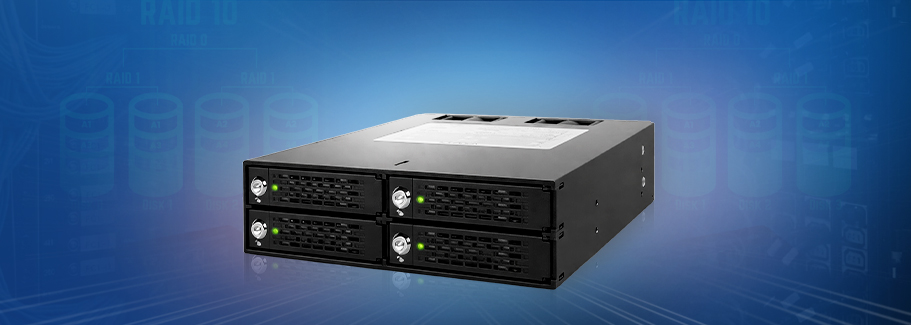
An online examination management company, specializing in conducting high-stakes competitive examinations for Government and education institutions faced a critical disruption when its server with RAID 10 configuration failed. The issue was triggered by failure of two SAS hard drives, putting upcoming examinations and business operations at risk.
The situation was escalated to Stellar Data Recovery Gurugram office for immediate assistance. Our data recovery experts realized the gravity of the situation and assisted the company in restoring the data from failed RAID 10 server.
This case study highlights how we at Stellar handle critical data-loss incidents that can put businesses at risk, and how our expertise enables recovery even in complex data-recovery scenarios.
Online examination management company had their routine set for the day until, one morning, the unexpected happened. Company was using—Windows Server Standard 2012 and hard drives were configured in RAID 10 configuration. Suddenly the server stopped booting and an error message appeared stating ‘No HDD on slot 2 and 5’. The RAID 10 (RAID 1+0) server contained students and exams data in a SQL database (.mdf, .ldf), which later required SQL Database Repair due to corruption caused by the server failure. The situation required urgent restoration of data from the failed server to prevent operational delays, potential data loss, and to protect the company’s reputation.
Note: In October 2023, Windows Server Standard 2012 reached their end of life. As per report published by Microsoft, the unsupported server is impacted by thousands of vulnerabilities.
The case was handled by our experts at Stellar Data Recovery Gurugram center. As part of our data recovery process, the initial server inspection revealed that the SAS hard drives in the 2nd and 5th slots had sustained physical damage due to a head crash, and leading to server boot failure. The drive failure also caused minor corruption in the SQL database files, further increasing the complexity of the recovery. Because the company needed immediate access to resume operations, the client requested expedited data recovery.
Since there was a physical damage, the SAS drives needed to be handled in a certified Class 100 cleanroom for head replacement. A class 100 cleanroom environment is recommended environment by hard disk manufacturers for opening hard drives during data recovery.
As part of our initial inspection and evaluation, we assessed the condition of the drives and identified the underlying issues. After completing the assessment, we explained the case complexity, recovery approach, and estimated timelines to the customer. Once the customer approved the cost and turnaround estimate, we proceeded with the server data recovery.
As a part of first step of data recovery donor for the damaged SAS drive was found and head swap was performed in our class 100 clean room lab. After completing the head swap, damaged drives were made operational and upon stabilizing the drives, all 6 drives were cloned sector-by-sector by using specialized tools & techniques. This step was taken to reduce the risk of further damage to the original disks.
Our engineers used proprietary software to analyze the RAID metadata, partition layout, file system signatures, and mirror relationships. After identifying the mirror pairs and stripe order from the cloned images, the array was virtually rebuilt. The reconstructed array contained two partitions with a stripe size of 512 sectors (256 KB). Subsequently, the SQL database files were extracted.
Every extracted file was verified to confirm its usability before being sent to the client for final approval.
After achieving 90% data recovery, Stellar Data Recovery delivered the recovered data with intact directory structure to the client on two encrypted drives. The SQL database files were preserved in their original directory structure. The examination management company resumed their operation shortly after receiving the data.

Statement from the customer:
"We could not afford any delays in publishing results of the last exam we conducted, nor could we risk losing critical candidate data. Stellar Data Recovery understood the urgency of our situation and responded with exceptional professionalism and speed. Most importantly, we never had any concerns about entrusting our confidential data to Stellar."
Corporate User

Corporate User

Corporate User

Data Center

Healthcare Services Provider
Technology You Can Trust Data Care Experts Since 1993